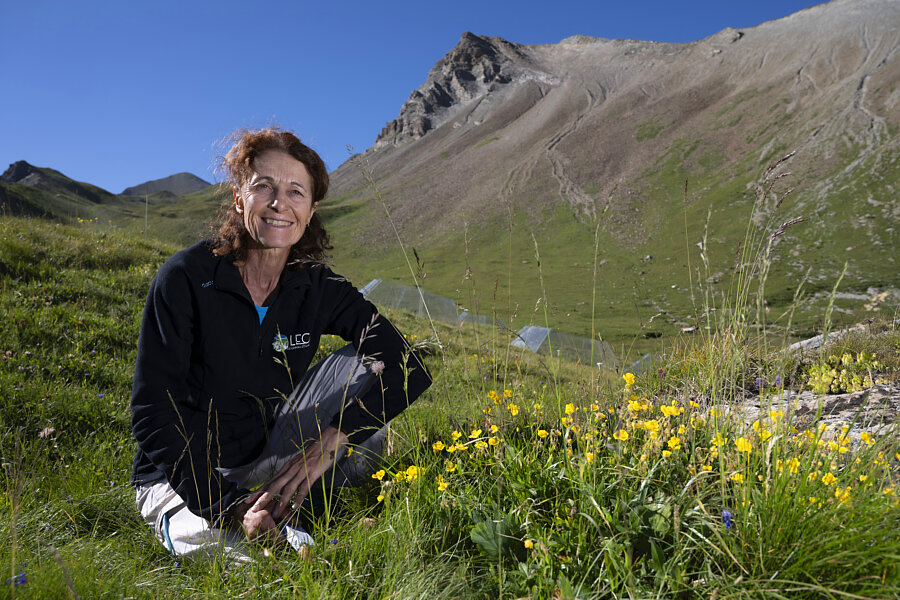
Senior Research Scientist, Laboratoire d’Ecologie Alpine, CNRS and Université Grenoble Alpes, Grenoble, France.
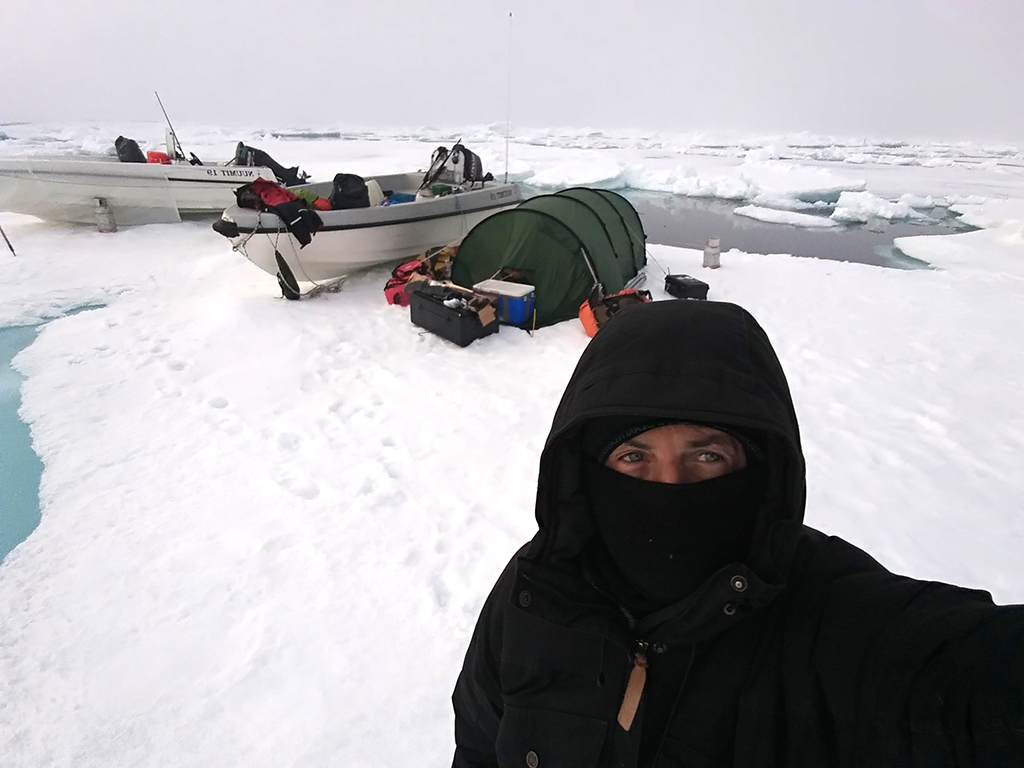
Senior CNRS researcher at the Montpellier Centre for Evolutionary and Functional Ecology, France.
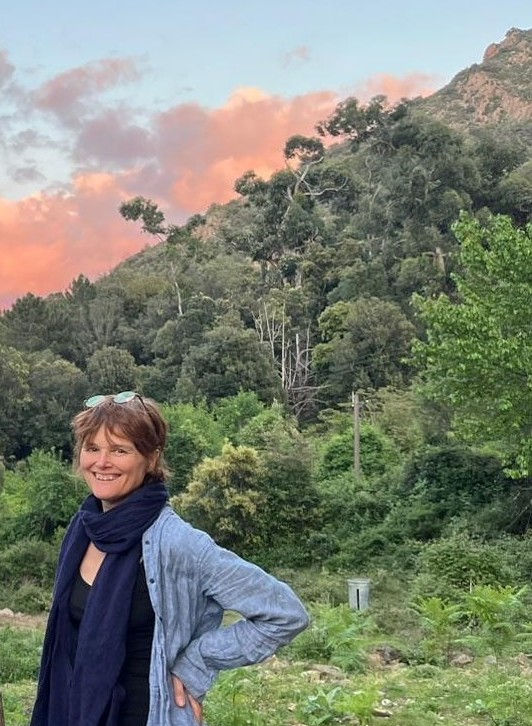
Tenure CNRS researcher CEFE-University of Montpellier, France.
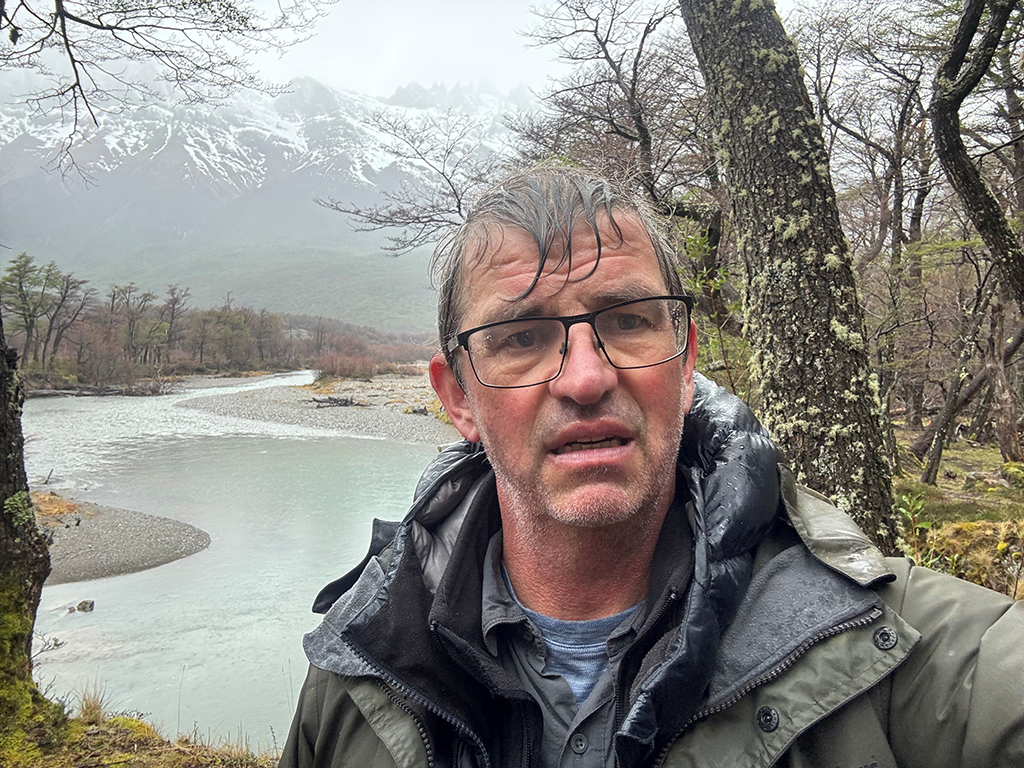
Professor of Ecology, Applied Quantitative Population Ecology, University of Aberdeen, UK.
Xavier Lambin is Professor of Ecology at the University of Aberdeen in Scotland. He left Belgium in 1986 after a degree in Zoology and then moved to Vancouver in Canada in 1988 where he did his PhD with Charles Krebs working with voles and seeking to understand how nepotism can cause instability in populations. Xavier and his team are studying the demography, population dynamics and species interactions with fragmented and cyclically irruptive populations of voles and species that eat them. Much of Xavier’s work is highly applied, informing the management of endangered species including the water vole severely impacted by the invasive species American mink and the process of ecosystem restoration, often referred to as rewilding.
Xavier will tell us about: How changes in demographic traits by keystone prey species, that drive their cyclic dynamics, cascade upwards and influence the process of reassembly of predator communities in ecosystems undergoing restoration & on The value of long-term demographic data and collaborations between amateurs land managers and academic ecologists in gaining insight over long time scale and large spatial scales.
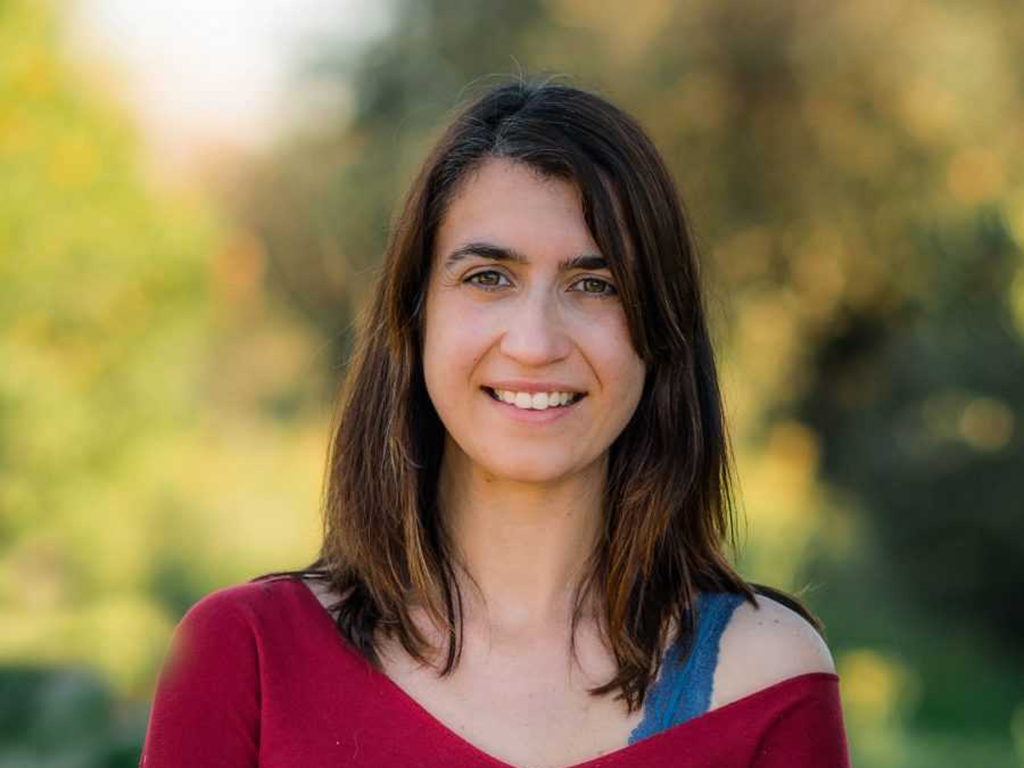
Postdoctoral researcher at the Doñana Biological Station, Spain.
Working on: One health; Molecular ecology; Disease ecology; Immunogenetics; Conservation genetics
She holds a Ph.D. in Biological Sciences from the Complutense University of Madrid and works as a postdoctoral researcher at the Doñana Biological Station. Her research integrates genetics, ecology, evolutionary biology, and conservation. She combines field data with genetic tools to understand parasite-host interactions and how demographic and ecological factors determine the genetic diversity of populations and their viability. The ultimate goal is to understand what factors affect the well-being of wild animal populations and to help protect and conserve them.
Maria José will tell us about: How biodiversity, ecological interactions, and habitat fragmentation shape host–vector–pathogen dynamics across scales, influencing disease emergence and transmission in a changing world.
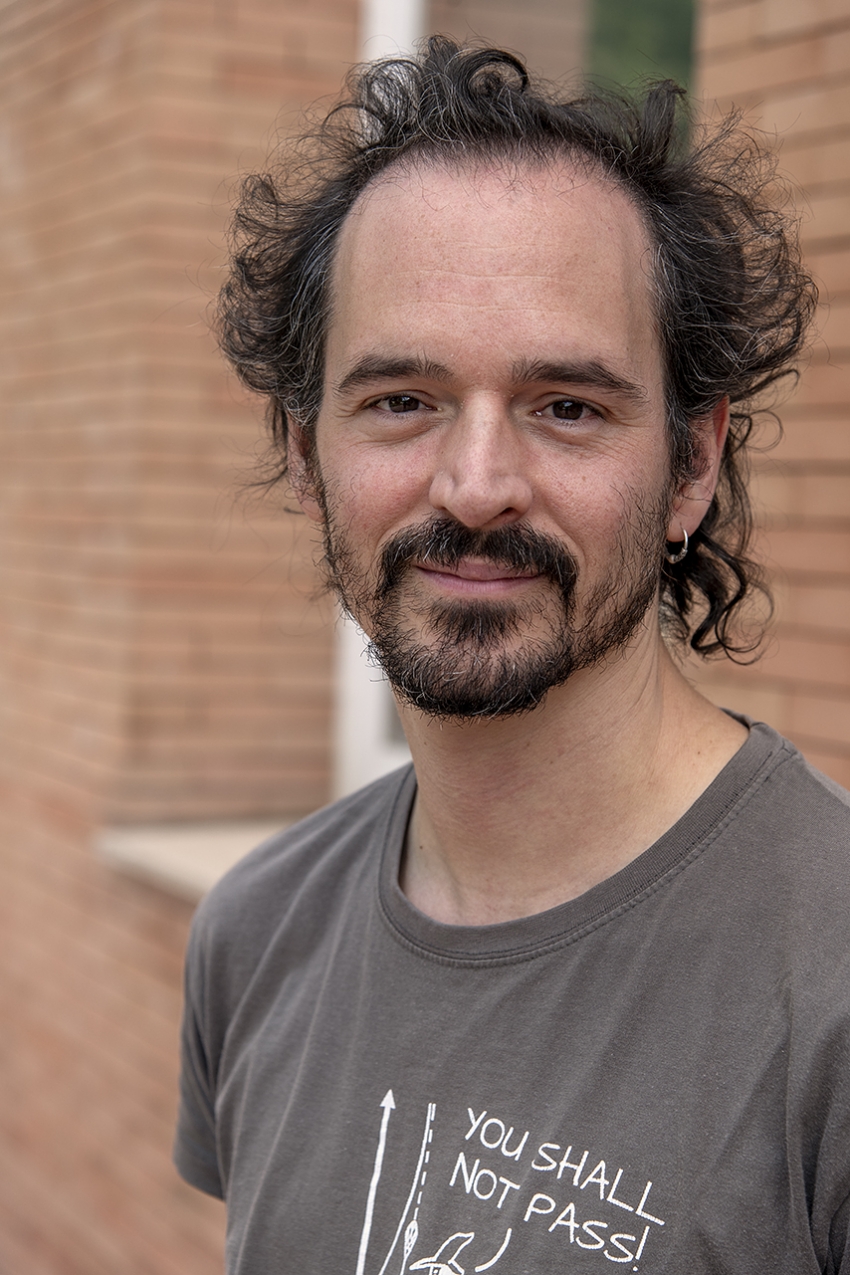
Ramón y Cajal Fellow at Universidad Complutense de Madrid, Spain.
Head
of Alternative States and Resilience lab at Department of Biodiversity,
Ecology and Evolution (UCM), Spain.
Working on: Dryland ecology; Dynamics; Resilience; tipping points and climate change
His primary research quantifies aridity thresholds and the abrupt, non-linear shifts triggered by climate change in terrestrial ecosystems, particularly in global drylands. By combining remote sensing with complex systems dynamics, he has empirically demonstrated the existence of these thresholds on a global scale.